Islington Carpet Cleaning for homes and workplaces

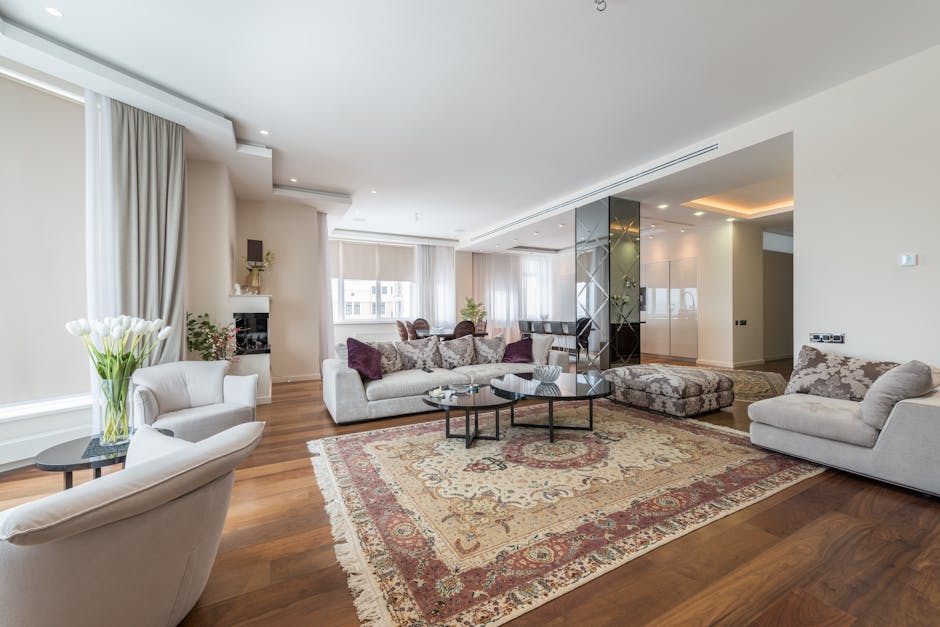
Islington Carpet Cleaning provides carpet cleaning in Islington for domestic rooms, shared properties, rental homes and workspaces that need a careful, fibre-aware clean. Our work focuses on removing everyday soil, spill marks and embedded dust from carpets while keeping the cleaning method suited to the fabric and the condition of the pile. The service is arranged around the specific floor covering in each property, so a wool blend, synthetic carpet or low-pile fitted floor can all be approached in a different way.
We work with practical cleaning methods that aim to freshen the surface without rushing the job or leaving obvious residues behind. That means assessing the carpet’s condition, choosing suitable pre-treatment where needed and using a process that gives attention to traffic lanes, steps, edges and other areas that often gather more grime. For customers, the result is a straightforward service that is easy to understand and suited to everyday use.
Whether you are planning a one-off refresh, preparing a property for new occupants or maintaining carpets in a busy household, the service is designed to support a tidy finish and a more presentable room. If you want to compare options, you can ask for a quotation once you have a clear idea of the rooms, carpet type and any visible marks that need attention.
Carpet cleaning methods suited to different fibres

Every carpet responds differently to cleaning, so the method has to suit the material rather than forcing one standard process on every room. Wool carpets may need a lighter touch, while synthetic fibres can often cope with a more direct extraction-style clean. We look at the construction, age and visible state of the carpet before deciding how to treat it, because this helps reduce the risk of unnecessary wear and supports a more even finish across the room.
A sensible carpet clean usually starts with a close look at the surface. Areas near entrances, sofas, desks and stair runs often show the heaviest soil, and those sections may need extra pre-treatment before the main cleaning stage. Targeted treatment is often more useful than saturating the whole floor, especially when the aim is to deal with marks, dullness and general build-up in a controlled way. If you are ready to compare options, make a note of the room sizes and the visible problem areas before you request a quotation.
In many homes, the value of carpet cleaning is not simply appearance. A properly planned clean can help restore a more even look after heavy footfall, pet traffic or day-to-day dust build-up. It can also make regular maintenance easier, because a well-cleaned carpet is simpler to vacuum and less likely to keep showing the same tired pathways. The most useful approach is usually the one that balances appearance, fibre care and realistic drying expectations.
Stains, traffic lanes and deeper soil

Some carpets need more than a general freshen-up. Drinks, food spills, tracked-in dirt and regular use can create patches that stand out from the rest of the room, especially where chairs move, shoes pass repeatedly or sunlight makes faded and soiled areas easier to see. Our cleaning work can include spot-focused treatment for marked areas, provided the carpet type and the stain history make that a sensible option.
It helps to be realistic about stain removal. Not every mark can be completely reversed, especially if it has set into the fibres or changed the colour of the pile. A careful clean can still make a worthwhile improvement by reducing contrast, lifting surface grime and blending the affected area more naturally into the rest of the carpet. We aim to explain what is likely to improve and what may need a more cautious approach so that expectations stay practical.
If you are arranging carpet cleaning for a room with heavier wear, you may find it useful to mention stair treads, hallways and any spots that have already had home treatment. Clear information helps shape the clean more accurately, particularly where previous products may have left a residue or where delicate fibres need a milder process. That makes the quotation stage simpler and gives a better basis for choosing the right level of work.
What is included in a typical carpet clean
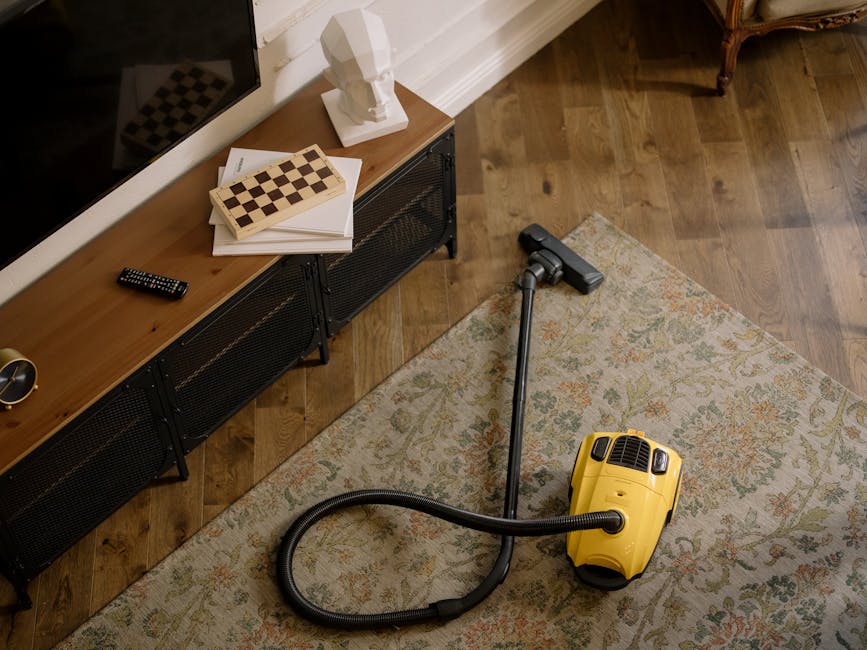
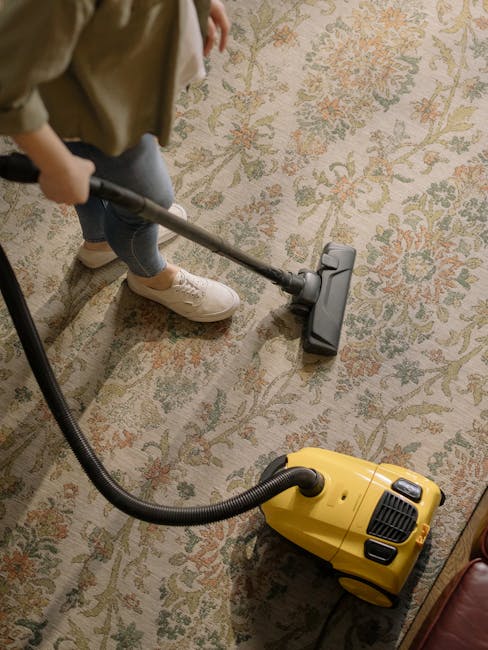
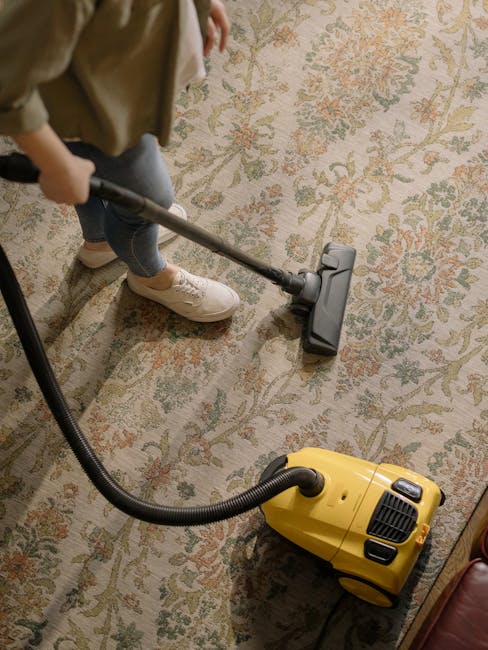
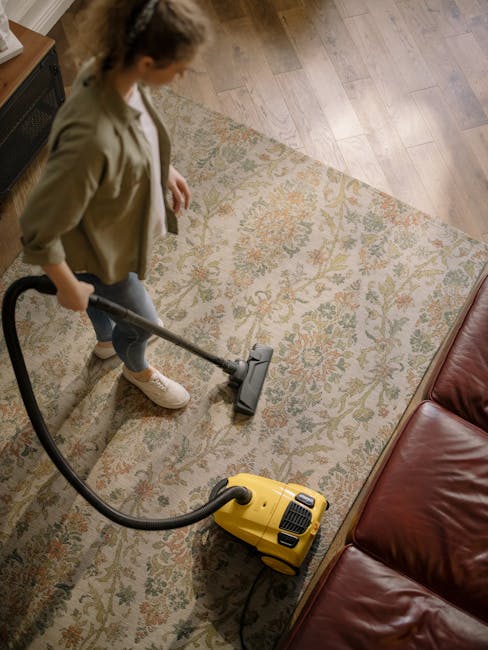
Although every property is different, a typical carpet cleaning visit can involve vacuuming or dry preparation, inspection of the surface, pre-treatment of visible marks and the main cleaning stage using equipment appropriate to the carpet. Depending on the condition of the floor, there may also be attention to edges, corners and access points where debris tends to gather. The goal is to clean the carpet as a whole, not just the obvious centre of the room.
- Preparation of the area so the carpet can be cleaned efficiently
- Identification of marked sections or higher-traffic paths
- Suitable pre-treatment where the fibres and soil level allow it
- Main cleaning pass across the room or chosen area
- Attention to borders, steps or other details that affect the finish
Before booking, it is useful to know whether any furniture must be moved, whether the carpet has had previous spot treatments and whether there are access constraints such as narrow stairways or shared entrances. If you need a price tailored to your rooms, you can request a quotation after gathering those basics. Two or three clear notes about the condition of the carpet usually save time later and help the scope stay sensible.
Domestic carpet care for living spaces and bedrooms

In homes, carpet cleaning often needs to be balanced with day-to-day living, especially where children, pets or regular visitors mean the floor is used heavily. Living rooms, bedrooms and hallways usually need different attention because the soiling patterns are not the same. A carpet in a guest room might mainly need a refresh, while a hallway can need more focused work on darker wear lines, shoe marks and dust that settles near entrances.
We can clean carpets in occupied homes with the aim of keeping the process manageable and the room usable again in a sensible timeframe. That does not mean every carpet will dry at the same speed or respond in the same way; fibre type, ventilation and how much cleaning is needed all play a part. Where there is a choice, it is often worth weighing a lighter maintenance clean against a more intensive treatment if the carpet has only moderate build-up rather than deep staining.
For many households, the most useful time to book carpet cleaning is when the carpet has started to lose brightness but before damage or heavy staining becomes harder to manage. If that sounds like your situation, it may be the right moment to ask for a quotation and discuss which rooms should be prioritised. A concise list of carpets, access details and obvious marks is usually enough to begin.
End of tenancy and move-out carpet cleaning
End of tenancy carpet cleaning is often about leaving a property in a presentable condition for inspection, handover or incoming occupants. In that setting, the carpet may need more than a quick refresh because it has often been used harder during the final months of a tenancy. Hallways, reception rooms and bedrooms can each need different levels of attention depending on footfall, furniture movement and the amount of everyday debris caught in the pile.
A move-out clean is usually most effective when the carpet is treated as part of the wider room rather than as an isolated surface. Loose debris should be removed first, then marks and worn areas can be assessed before the main clean begins. If the carpet has visible odours, spills or settled soil, these should be mentioned when you make contact so the work can be planned more accurately. Honest detail at the quotation stage helps avoid unrealistic expectations later.
For landlords, tenants and managing agents, the important point is to choose a cleaning scope that matches the carpet’s condition and the time available before the property changes hands. If you need pricing for move-out work, request a quotation and include the rooms involved, the access arrangements and any areas that need extra attention. That is usually enough information to establish a sensible starting point.
Upholstery and rug care that complements carpet cleaning
Carpet cleaning often sits alongside other soft-furnishing care, because a room can look uneven if the floor is freshened but the sofa, armchair or rug still looks tired. Upholstery and rug cleaning need their own approach, since delicate covers, natural fibres and decorative weaves can respond differently from fitted carpet. When these items are cleaned as part of a wider plan, the room can feel more consistent and better maintained overall.
Rugs may need particular care around dyes, fringes and backing materials, especially where colour transfer or shrinkage is a concern. Upholstery can also require targeted treatment on armrests, seat bases and headrest areas that gather skin oils and everyday marks. The most important part is matching the technique to the item, rather than assuming all textile surfaces should be cleaned in the same way. If you are comparing options, ask for a quotation that separates the carpet work from any additional soft-furnishing items.
It is often sensible to decide which pieces matter most before the visit rather than trying to include everything at once. That way, the clean can be planned around the areas that will make the biggest visual difference. If the main need is the carpet, keep the focus there; if a rug or sofa also needs care, mention it early so the scope can be set clearly.
About Islington
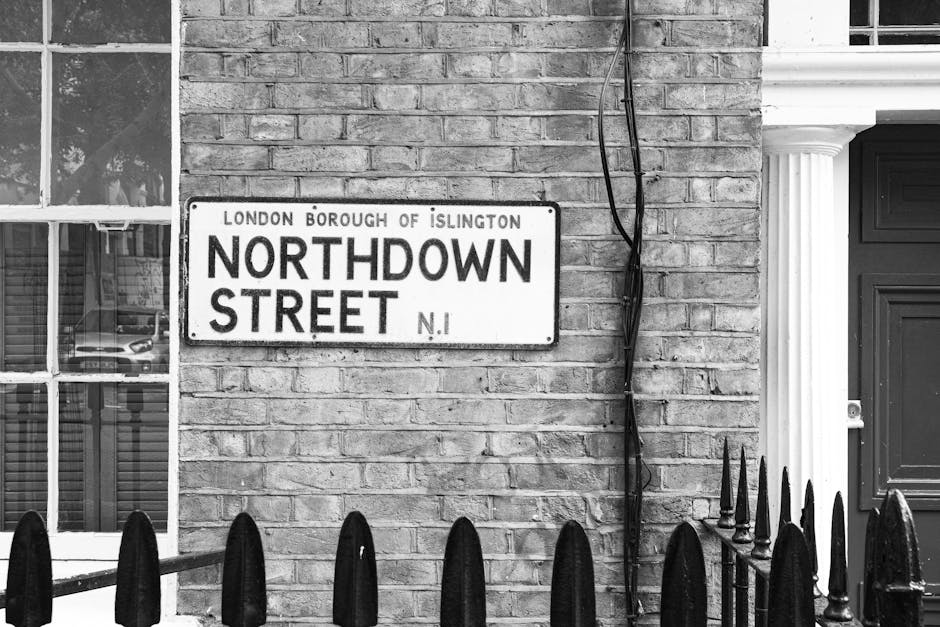
Islington is a North London district with a long urban history that reaches from medieval origins into the dense Georgian and Victorian neighbourhoods seen today. It developed from a rural village on the edge of London into a busy inner area shaped by housing growth, transport connections and commercial change. Much of its character comes from the mix of terraces, converted buildings and later apartment developments rather than from any single architectural style. In the centre of the borough, Upper Street has long been one of the best-known routes, lined with shops, restaurants and civic buildings that reflect Islington’s evolution as a residential and commercial district. The area is also associated with theatre, music and political life, which has helped it retain a distinct identity within inner London. Further east, the Regent’s Canal provides a quieter corridor through the borough, linking waterside walks with old industrial sites that have gradually been repurposed. Highbury Fields remains one of the larger open spaces, while Canonbury and Barnsbury are noted for terraces and garden squares that show the development of middle-class housing in the nineteenth century. North of the borough centre, Finsbury Park acts as an important open space and transport hub, and the wider area includes a varied pattern of streets, squares and local landmarks that make Islington feel both compact and layered. Its built environment is therefore a record of changing urban life, with older terraces, civic institutions, canalside views and modern redevelopment existing close together.
Why carpet condition affects the right cleaning approach
Choosing the right carpet cleaning approach depends on more than simply whether the floor looks dirty. The pile height, fibre type, age and existing wear all influence how a carpet should be treated. A dense pile may hold more dust and soil, while a thinner carpet may show shading or pressure marks more easily. The condition of the underlay and the amount of foot traffic can also affect how the room looks after cleaning, so a careful assessment is always worthwhile.
Where carpets are older or already worn, the aim is usually to improve appearance without overworking the fibres. That may mean focusing on moderate soil removal, edge treatment and visible traffic lanes rather than aggressive cleaning. By contrast, a fairly robust synthetic carpet may be suitable for a fuller clean if marks and general dullness are the main concerns. The important thing is to balance the level of intervention with the carpet’s condition, because more force is not always better.
If you are unsure how heavily a carpet should be cleaned, you can still ask for a quotation and describe what you see. A simple description of the room type, the carpet material if known, and the areas that bother you most gives a much better starting point than a vague request. That is especially helpful when several rooms need different levels of attention.
Working around stairs, hallways and busy circulation areas
Stairs and hallways deserve their own attention because they usually show the strongest signs of use. Repeated contact from shoes, bags and movement up and down steps can create visible shading, compressed pile and dirt lines along the edges. In homes or shared buildings, those areas often set the tone for the whole property, so cleaning them well can make a surprisingly noticeable difference even when the rest of the carpets are in fair condition.
For stair carpet, detail matters. Nosings, corners and the junction between the tread and riser can collect more debris than a flat room, and access may be tighter than in open areas. Hallways can be equally demanding because they often connect several rooms and carry the most frequent traffic. A careful cleaning approach helps avoid patchy results and supports a more even appearance from one section to the next.
Practical planning is useful here: note where the heavy wear is, whether there are landings as well as steps and whether any rugs or furniture need to be moved first. If you would like a clear price, request a quotation that identifies the stairs, hallways or landings involved so the work can be priced with fewer assumptions.
How to prepare a useful quotation request
A helpful quotation request does not need to be complicated. The main things to include are the rooms or areas you want cleaned, any known carpet material, the degree of staining or traffic wear and whether there are obstacles such as fixed furniture or awkward access. If the property has more than one carpet type, say so, because a bedroom carpet and a stair runner may need different cleaning decisions. Simple, accurate detail is usually better than a long message with unclear priorities.
It can also help to say whether you want maintenance cleaning, a stronger refresh or attention to specific problem areas. That way, the response can reflect the work actually needed rather than a generic assumption. If you are comparing more than one room, think about which areas matter most so the scope can be arranged in the right order. Keeping the request focused saves time on both sides and makes it easier to match the service to the property.
If you are ready to take the next step, ask for a quotation and outline the carpets you want cleaned. Contact us with the room list and any useful notes, and we can help shape a cleaning plan that suits the property and the level of care required.