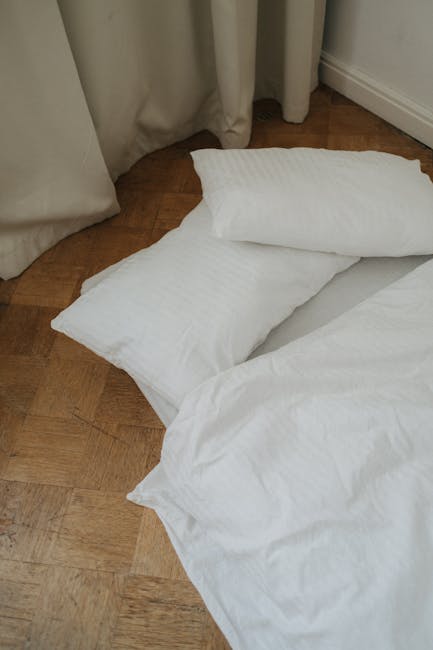
Camden Passage mattress cleaning and allergen treatment Islington
If you have ever woken up with a stuffy nose, itchy eyes, or that dull "I did not sleep well" feeling, the mattress may be part of the story. Camden Passage mattress cleaning and allergen treatment Islington is about more than making a bed look tidy. It is a practical way to reduce the build-up of dust, sweat residue, skin flakes, and other everyday allergens that settle deep into the fibres over time. In a busy Islington home, especially where windows are kept shut on colder nights or life gets a bit hectic, that build-up can creep in quietly. This guide explains what the treatment involves, why it matters, and how to choose the right approach without overcomplicating it.
For a broader look at home care options, you may also want to explore deep cleaning and domestic cleaning if you are thinking about tackling more than just the mattress.
Why Camden Passage mattress cleaning and allergen treatment Islington Matters
A mattress is one of the most heavily used items in the home, yet it is also one of the least seen. That is exactly why it gets overlooked. Night after night, it absorbs moisture, dead skin cells, fabric dust, and tiny particles from the room. Over time, that creates a pretty ideal environment for dust mites and the allergens associated with them.
In practical terms, mattress care matters for three reasons. First, comfort: a cleaner mattress simply feels fresher. Second, hygiene: removing embedded debris can help cut down on odours and stains. Third, allergen management: if you are prone to irritation, regular mattress treatment can make sleeping feel noticeably easier. Not magic, just sensible housekeeping.
In homes around Camden Passage and across Islington, this is especially relevant where bedrooms are compact, storage is tight, or the same mattress has been in use for years. The issue is not always obvious. Truth be told, people often notice the problem only after changing bedding and still waking up congested. That is usually the point where mattress deep cleaning starts to make sense.
Expert summary: If your mattress smells stale, has visible marks, feels heavy with dust, or seems to trigger morning irritation, a proper cleaning and allergen treatment is worth considering before replacing the mattress altogether.
How Camden Passage mattress cleaning and allergen treatment Islington Works
Good mattress cleaning is usually a combination of inspection, careful stain treatment, deep extraction or low-moisture cleaning, and targeted allergen reduction. The exact method depends on the mattress type, the fabric, and how much soiling is present. You would not treat a delicate memory foam mattress the same way you would a firm spring mattress, and that distinction matters more than people think.
A professional process typically begins with a check for fabric type, wear, stains, body-fluid marks, odours, and any structural issues. After that, the cleaner decides on the safest method. Some mattresses benefit from dry soil removal and controlled moisture. Others need extraction with careful drying time. The goal is to clean thoroughly without over-wetting the filling, because excess moisture can create its own set of problems. Nobody wants a cleaner mattress that then takes forever to dry and starts to smell damp.
Allergen treatment is not one single product or trick. It often means combining deep cleaning with methods that reduce the material allergens cling to. That can include vacuuming with strong filtration, removing dust and lint from seams and piping, and using cleaning agents suited to the fabric and the stain. In some cases, anti-allergen treatments are applied after cleaning, but the important thing is that the mattress is genuinely cleaned first. Spraying over grime is just, well, a fancy way of making dirt smell nicer.
For a joined-up approach, mattress care often sits alongside other soft furnishing services such as upholstery cleaning and sofa cleaning, especially where allergens are a household-wide issue rather than just a bedroom issue.
Key Benefits and Practical Advantages
A well-done mattress clean delivers more than a neat appearance. The main value is usually felt, not seen. People often describe the room as fresher, and the bed as lighter or less "stale". That is a useful result in itself, especially if you spend a third of your life on the thing.
- Reduced dust and debris build-up: helpful for general hygiene and bedroom freshness.
- Better allergen control: especially useful for dust-sensitive households.
- Improved odour removal: helpful where sweat, spills, or general ageing have left a lingering smell.
- Longer mattress life: regular care can delay visible wear and help the mattress stay in better condition.
- Better sleep environment: a fresher bed often feels more inviting at the end of a long day.
Another practical advantage is cost avoidance. If a mattress is structurally sound, cleaning can be a sensible middle ground between doing nothing and replacing it too soon. You are not going to reverse age, of course. But you can reduce the stuff sitting on top of it and in it.
There is also a trust factor for shared households, rentals, and guest spaces. If you have visitors staying over, or you manage a property that needs a presentable standard, mattress cleaning helps support the overall impression of care. It sounds simple because it is simple. Just not always easy to do well.
Who This Is For and When It Makes Sense
This service is useful for a wider group than people sometimes assume. It is not only for allergy sufferers, though they are often the most obvious beneficiaries. It also makes sense for anyone dealing with routine bedroom hygiene, odours, or an older mattress that needs a proper reset.
You may want to book mattress cleaning and allergen treatment if you are:
- experiencing morning sneezing, stuffy noses, or itchy eyes
- noticing musty or stale odours from the bed
- moving into a new home and want a fresh start
- leaving a property and want the bedroom to look and smell cleaner
- managing a guest room, letting room, or rental property
- living with pets that occasionally get onto the bed
- dealing with a spilled drink, sweat mark, or minor accident
- trying to improve the feel of a bedroom without buying new furniture
In a Camden Passage flat, where space may be limited and storage is often at a premium, a good mattress clean can be one of those small jobs that makes the whole room feel better. It is a little thing, maybe, but the difference is surprisingly real.
If you are already planning a wider refresh, a one-off cleaning visit can be a sensible way to bundle the work together without turning the week upside down.
Step-by-Step Guidance
Here is a clear way to think about the process, whether you are arranging professional help or simply checking what good practice looks like.
- Inspect the mattress carefully. Look for stains, odours, dust build-up, and any fabric damage. Check the label if you can, because the filling and cover material affect the cleaning method.
- Vacuum thoroughly. Use a suitable upholstery attachment and work slowly over the top, sides, seams, and piping. Those seams collect a lot, more than people expect.
- Treat visible stains first. Different stains need different handling. Sweat, food, urine, and drink spills each behave differently. Using the wrong product can set a stain rather than lift it.
- Use the right cleaning method. Depending on the mattress, that might mean low-moisture extraction, dry cleaning methods, or carefully controlled spot treatment.
- Apply allergen-focused treatment where appropriate. The aim is to reduce fine debris and residue that aggravate sensitive sleepers, not merely to mask smells.
- Allow full drying time. A mattress should not be put back into heavy use until it is properly dry. Airflow matters here. Good airflow, actually a lot of it.
- Finish with prevention. Fit a washable protector, use clean bedding, and keep on top of routine vacuuming and airing.
One useful habit: do the bedroom early in the day so the mattress has time to dry before nightfall. It sounds obvious, but people often forget this and then end up sleeping on something that still feels slightly damp. Not ideal.
Expert Tips for Better Results
Small adjustments can make a big difference. If you want the cleaning to last longer and the allergen reduction to be more effective, it helps to think beyond the cleaning itself.
- Use a mattress protector. This is the easiest long-term win. It catches sweat, dust, and minor spills before they sink in.
- Wash bedding regularly. Clean sheets and pillowcases support the work done on the mattress itself.
- Vacuum the bed base and headboard too. Allergen control is not just about the mattress surface.
- Air the room when possible. A bit of fresh air helps moisture disperse and keeps the bedroom feeling less stuffy.
- Rotate the mattress if suitable. Not all mattresses are designed to be flipped, but many benefit from rotation. Always follow the manufacturer guidance.
- Act quickly on spills. The sooner a spill is dealt with, the less likely it is to soak deep into the filling.
If you are looking at a full home clean alongside bedroom maintenance, services like house cleaning and home cleaners can help keep the rest of the property from reintroducing dust straight back into the room. That does happen, annoyingly.
A practical tip from experience: do not overdo the fragrance. Strong air fresheners can make a room smell clean while leaving the actual dust and residue untouched. Fresh is better than perfumed. Usually.
Common Mistakes to Avoid
Mattress cleaning goes wrong in fairly predictable ways. Most mistakes come from either using too much liquid or using the wrong product for the material.
- Soaking the mattress: too much water can lead to prolonged drying, odours, and damage to the filling.
- Scrubbing too hard: aggressive rubbing can spread stains and roughen the fabric.
- Ignoring the care label: some materials are far more sensitive than others.
- Using random household products: what works on a kitchen surface may be a bad fit for a mattress.
- Cleaning only the top surface: allergens and dust often live in seams, edges, and the sides too.
- Putting bedding back too soon: trapped moisture can undo the effort.
Another common issue is assuming a visible clean means a hygienic clean. Not always. A mattress can look fine from a distance and still hold a lot of embedded dust. That is why deep treatment matters more than a quick freshen-up.
And yes, it is tempting to just spray something on and call it done. We have all had that moment. But beds are where shortcuts show up later.
Tools, Resources and Recommendations
Good results depend on sensible tools rather than gimmicks. The main aim is controlled cleaning, proper dust removal, and fabric-safe treatment.
| Method | Best for | Strengths | Limitations |
|---|---|---|---|
| Vacuum-only freshening | Light maintenance | Quick, low-risk, easy to repeat | Does not remove deep staining or embedded residue |
| Spot stain treatment | Small spills and marked areas | Targets visible problem spots | May not address the rest of the mattress |
| Low-moisture deep cleaning | General hygiene and deeper soil | Balances cleaning power and drying time | Needs the right equipment and know-how |
| Allergen-focused treatment | Allergy-sensitive households | Supports dust reduction and freshness | Works best as part of a full clean, not on its own |
For equipment, a cleaner with upholstery attachments, controlled extraction tools, and suitable cleaning agents is the usual starting point. If you are managing a whole property, it can also help to pair mattress work with carpet cleaning, because bedroom carpets and mattresses often share the same dust sources.
Useful supporting services may also include rug cleaning and window cleaning when the aim is to reduce overall bedroom dust and make the room feel noticeably brighter. Little things add up.
Law, Compliance, Standards, or Best Practice
This type of work is not usually about heavy regulation, but there are still important best-practice points. In the UK, anyone providing cleaning services should work carefully with regard to safety, product handling, and clear communication about what can and cannot be done to different fabrics. If a mattress is heavily contaminated, damaged, or made from a sensitive material, a cautious approach is better than an overconfident one.
Good practice usually includes:
- checking fabric suitability before treatment
- using cleaning products as directed
- minimising moisture on mattresses that are vulnerable to water damage
- allowing realistic drying time
- explaining any limitations before work begins
- protecting adjacent bedding, flooring, and furniture during the process
For households and landlords alike, transparency matters. If a stain is old, if an odour has soaked into the filling, or if the mattress has reached the end of a sensible cleaning lifecycle, that should be stated clearly. Better to know that early than after a disappointing result.
You can also check a company's operational approach through pages like insurance and safety, health and safety policy, and terms and conditions if you want a clearer sense of how they work and what you can expect.
Options, Methods, or Comparison Table
Different homes need different approaches. A quick comparison can help you decide what makes sense.
| Option | Best when | Pros | Cons |
|---|---|---|---|
| DIY vacuum and airing | The mattress is lightly dusty and otherwise in good shape | Cheap, simple, immediate | Limited impact on allergens and stains |
| Home stain spot treatment | You have a small spill or fresh mark | Convenient for minor incidents | Risk of spreading the stain if done badly |
| Professional mattress cleaning | You want deeper hygiene and better allergen reduction | More thorough, safer for many fabrics, better results | Costs more than doing it yourself |
| Replace the mattress | The mattress is old, damaged, or still causing discomfort after cleaning | Fresh start, new support | Highest cost and waste considerations |
In many cases, cleaning first is the sensible move. Replacement is only the right answer when the mattress is structurally tired or unsalvageable. If a bed still has life in it, there is no harm in giving it a proper chance.
Case Study or Real-World Example
Picture a one-bedroom flat near Camden Passage where the occupant had been waking up with a dry throat and a bit of congestion most mornings. The room looked clean enough at first glance. Fresh bedding, tidy bedside table, nothing dramatic. But the mattress had not been professionally cleaned for years, and there was a faint stale smell that appeared whenever the room warmed up.
After careful inspection, the mattress was vacuumed thoroughly, spot treated where needed, and treated with a low-moisture method to reduce embedded dust and odour. The cleaner paid extra attention to seams and the edge of the mattress, where crumbs, lint, and dust tend to collect. The room was then aired properly, with bedding not replaced until the mattress had fully dried.
The result was not glamorous. It was better than glamorous, actually. The bed felt fresher, the smell had lifted, and the occupant noticed the room felt less heavy in the morning. No miracle claims, no dramatic transformation story. Just a sensible improvement that made sleep feel easier. That is often what people really want.
Practical Checklist
Use this checklist if you are preparing for mattress cleaning and allergen treatment in Islington.
- Strip the bed completely before the appointment or before you start
- Check the mattress label for care instructions
- Inspect for stains, tears, or damp patches
- Vacuum the mattress surface, sides, seams, and piping
- Choose a cleaning method that suits the mattress material
- Treat stains gently and in a targeted way
- Allow enough drying time before remaking the bed
- Wash all bedding, pillow protectors, and mattress covers
- Fit a mattress protector after cleaning
- Keep the room aired where possible
- Plan follow-up cleaning as part of your normal routine
If you want to keep bedroom cleaning manageable over time, you may also find it useful to look at cleaners for broader upkeep and cleaning company information when comparing service providers. Choosing well matters more than rushing.
Conclusion
Camden Passage mattress cleaning and allergen treatment Islington is one of those jobs that pays off quietly. You do not always see the benefit immediately, but you often feel it the next time you get into bed. Cleaner fabric, less stale odour, better dust control, and a bedroom that feels more restful all matter, especially if you are sensitive to allergens or simply want a healthier sleeping space.
The best approach is usually the simplest one: inspect carefully, use the right method, dry thoroughly, and protect the mattress afterwards. No drama. No guesswork. Just good household care with a bit of local common sense.
Get a free quote today and see how much you can save.
If you would like to learn more about the people behind the service, take a look at about us before deciding. And if you are ready to take the next step, contact us is the simplest place to start. A fresher, calmer bedroom is often closer than it seems.
Frequently Asked Questions
What does Camden Passage mattress cleaning and allergen treatment Islington actually remove?
It usually removes surface dust, embedded debris, sweat residue, light odours, and some common allergen build-up. The exact result depends on the mattress condition and the method used.
Is mattress allergen treatment good for dust mite problems?
It can help reduce the build-up that dust mites and related allergens rely on, especially when combined with regular vacuuming, clean bedding, and a mattress protector.
How often should a mattress be professionally cleaned?
That depends on how the mattress is used. A practical approach is to clean it when you notice odours, visible marks, allergy symptoms, or after a particularly messy incident. Some households do it periodically as part of routine deep cleaning.
Can every type of mattress be cleaned the same way?
No. Memory foam, spring, hybrid, and delicate covers can all react differently to moisture and cleaning products. A proper inspection is important before any treatment begins.
Will mattress cleaning remove old stains completely?
Not always. Fresh stains are easier to treat than old ones, and some marks have already settled into the fibres. A good cleaner will usually explain what is realistic before starting.
How long does a mattress take to dry after cleaning?
Drying time varies depending on the method used, airflow, room temperature, and mattress thickness. It is best to allow full drying before making the bed again.
Can mattress cleaning help with morning sneezing or congestion?
It may help if dust and allergen build-up are part of the cause. It is not a medical treatment, but a cleaner sleeping environment can make a noticeable difference for some people.
Is it better to clean or replace an old mattress?
If the mattress is structurally sound, cleaning is often the more sensible first step. If it is sagging badly, damaged, or no longer comfortable, replacement may be the better option.
What should I do before the cleaner arrives?
Remove bedding, clear the area around the bed, and check for any stains or problem spots you want to mention. If possible, leave enough space for access on both sides.
Are strong-smelling sprays a good way to treat mattress odours?
Usually not on their own. They can mask smells temporarily, but they do not remove the source. Proper cleaning and drying are far more effective.
Can mattress cleaning be combined with other services?
Yes, and that is often sensible. Many people pair it with carpet cleaning, sofa cleaning, or upholstery cleaning to reduce dust across the whole room or home.
What makes a mattress cleaning service trustworthy?
Look for clear explanations, sensible safety information, realistic expectations, and a willingness to say when a mattress is not a good candidate for treatment. Careful advice is often a very good sign.