End of Tenancy Cleaning in Islington
Moving out of a rented property can feel exciting, stressful, and time-sensitive all at once. Between packing boxes, updating addresses, arranging removals, and checking your next home, it is easy to underestimate how much effort is needed for end of tenancy cleaning in Islington. Yet for tenants, landlords, and letting agents alike, a thorough clean can make a major difference to the final inspection, deposit return, and the overall handover process.
Islington is one of London’s most sought-after boroughs, with a mix of period conversions, modern apartments, shared homes, and high-traffic rental properties. Because local properties often experience heavy use, end of tenancy cleaning Islington usually needs more than a quick tidy-up. Kitchens, bathrooms, floors, skirting boards, appliances, and hidden corners all need attention to meet expected standards.
In this article, we look at what makes end of tenancy cleaning so important, what it typically includes, why it matters in Islington, and how to approach the process in a practical, efficient way. Whether you are a tenant aiming to protect your deposit or a landlord preparing for new occupiers, the right cleaning approach can save time, reduce stress, and improve results.
Why End of Tenancy Cleaning Matters in Islington
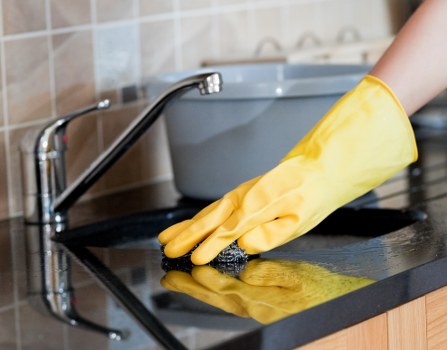
End of tenancy cleaning in Islington is not just about presentation. It is directly tied to property standards, inspection outcomes, and the expectations of landlords and letting agents. When a tenancy ends, the property is usually assessed against the original inventory and check-in report. If there is excessive dirt, grease, limescale, or neglected surfaces, the final walkthrough can become problematic.
In a busy borough like Islington, where properties often turn over quickly, landlords and agents expect a rental home to be returned in a clean and move-in-ready condition. That means more than wiping visible surfaces. It means cleaning areas that are often missed during regular household cleaning, such as behind appliances, inside cupboards, around taps, and along edges where dust accumulates.
For tenants, the main reason to take end of tenancy cleaning Islington seriously is the deposit. A professional finish gives you a stronger chance of receiving the full deposit back, provided there is no damage or unpaid rent. For landlords, a properly cleaned property helps attract new tenants faster and supports a better first impression.
What Makes Islington Properties Unique
Islington has a broad mix of housing styles, from Georgian and Victorian terraces to contemporary flats, mansion blocks, and converted warehouse spaces. Each type of home brings different cleaning challenges. Older properties may have detailed woodwork, sash windows, ornate tiles, or hard-to-reach corners. Newer apartments may have integrated appliances, glossy surfaces, and minimalistic layouts that show streaks and smudges more easily.
That variety means end of tenancy cleaning in Islington has to be adaptable. A studio flat in Angel will require a different cleaning approach from a shared maisonette near Highbury or a family home close to Barnsbury. The cleaning team or tenant must pay attention to property-specific details rather than relying on a standard one-size-fits-all routine.
Location also matters. Properties near busy roads, restaurants, and transport hubs may collect more grime, dust, and airborne residue than homes in quieter streets. That can affect windows, vents, kitchen surfaces, and the overall freshness of the property. Because of this, end of tenancy cleaning Islington often needs a deeper and more targeted approach than standard domestic cleaning.
What a Proper End of Tenancy Clean Usually Includes

A full end of tenancy cleaning Islington service is designed to address every part of the property. The aim is to restore cleanliness to a level suitable for final inspection. While every property is different, a strong clean typically covers all main living areas and the most heavily used fixtures and fittings.
Common tasks often include:
- Dusting and wiping all accessible surfaces
- Cleaning skirting boards, doors, handles, and light switches
- Vacuuming and mopping floors
- Cleaning inside and outside cupboards
- Degreasing kitchen units and worktops
- Cleaning sinks, taps, and splashbacks
- Removing limescale from bathrooms
- Wiping mirrors and glass surfaces
- Cleaning appliance exteriors and interiors where required
- Removing cobwebs, surface dust, and built-up grime
In many cases, end of tenancy cleaning in Islington also includes attention to details such as extractor fans, oven trays, refrigerator seals, and hard-to-reach corners. These are the areas that most commonly attract complaints during inspections if they have not been cleaned properly.
Kitchen Cleaning: The Most Demanding Room
Why kitchens need special attention

The kitchen is often the most challenging room during end of tenancy cleaning Islington. Cooking naturally leaves behind grease, food residue, steam marks, and stubborn stains. Even in a carefully used kitchen, grime can build up on appliances, splashbacks, cupboard doors, and extractor fans.
To achieve a high standard, a kitchen clean should be methodical. The oven is usually one of the biggest priorities because burnt-on food and grease can quickly stand out. Sink areas also need careful attention, especially if there is limescale around taps or residue around drains. Cupboards should be emptied and wiped inside, and external surfaces should be cleaned to remove fingerprints and smears.
End of tenancy cleaning in Islington is often judged by kitchen condition first, so this room deserves extra time. A proper kitchen clean may involve:
- Cleaning inside the oven, including racks and trays
- Wiping the fridge and freezer interior if defrosted
- Removing grease from extractor hoods
- Cleaning cupboard fronts and handles
- Scrubbing sink basins and taps
- Polishing tiles and splashbacks
Why this room affects the inspection
Because kitchens are used so frequently, small details matter. Even a neat-looking kitchen can still fail an inspection if grease is visible on top of cabinets or if oven shelves are dirty. That is why end of tenancy cleaning Islington should always prioritise a deep and detailed kitchen clean.
Bathroom Cleaning: Tackling Limescale and Hygiene Issues
Bathroom areas that need extra care
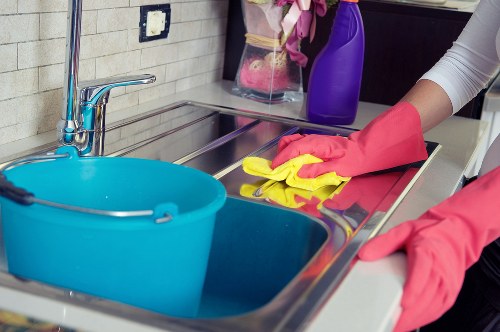
Bathrooms can be surprisingly time-consuming during end of tenancy cleaning in Islington. Even if the room looks tidy at first glance, it may contain soap scum, limescale, mildew, grime around seals, and water marks on glass or chrome fittings. These issues are especially common in hard-water areas, where taps, shower screens, and tiles collect white residue over time.
To leave a bathroom in strong condition, cleaning should focus on sanitary surfaces, drainage areas, and fittings. Toilets, sinks, bathtubs, showers, mirrors, and chrome fixtures all need attention. Grout lines and corners can also trap dirt, especially in older Islington properties where tiles may be more worn or textured.
Useful bathroom tasks for end of tenancy cleaning Islington include:
- Descaling taps, shower heads, and screens
- Cleaning inside and outside the toilet
- Removing soap scum from baths and basins
- Polishing mirrors and glass surfaces
- Wiping tiles, grout edges, and sealant lines
- Emptying and cleaning cabinets or shelving
Small details that matter
Things like hairs around drains, toothpaste marks on mirrors, or residue on soap dispensers may seem minor, but they can affect the impression of the room. A final inspection usually checks for overall hygiene and visible freshness, so a spotless bathroom is essential.
Bedrooms and Living Spaces: The Often Overlooked Areas
When people think about end of tenancy cleaning Islington, they often focus on kitchens and bathrooms. However, bedrooms and living spaces also need proper attention. Dust can settle on skirting boards, window frames, wardrobes, shelves, and behind furniture. If the property has carpets, they may need vacuuming or deeper treatment depending on their condition.
Living rooms in Islington homes can be particularly prone to overlooked dirt because of foot traffic, open-plan layouts, and large amounts of furniture or décor. Radiators, curtain rails, light fittings, and under-sofa areas can all collect dust over time. Bedrooms, meanwhile, often show signs of everyday use in drawers, wardrobes, bedside tables, and around window edges.
For effective end of tenancy cleaning in Islington, it is smart to approach each room systematically. Clean from top to bottom, then from one side to the other. This reduces the chance of missing dust or re-soiling surfaces. If the property is furnished, clean all accessible furniture surfaces, internal storage spaces, and any visible marks on walls or doors.
Why Professional Cleaning Can Save Time and Stress
Some tenants choose to clean the property themselves, and this can work in smaller or less demanding homes. However, end of tenancy cleaning in Islington is often more effective when handled professionally, especially if the property is large, heavily used, or has stubborn stains and built-up dirt. A professional team understands the standards expected during inspections and knows how to target problem areas efficiently.
Professional cleaners also bring the right tools and products for different surfaces. That matters because using the wrong solution on delicate worktops, wooden floors, or stainless-steel appliances can cause damage. The right approach protects the property while improving the final result. In a competitive rental market, this level of detail can make a real difference.
For busy tenants, a professional service can be a practical solution before moving day. Instead of spending hours scrubbing ovens or descaling showers, you can focus on relocation tasks while experienced cleaners handle the deep clean. This is one reason end of tenancy cleaning Islington remains such a popular service among renters, landlords, and estate professionals.
How to Prepare for End of Tenancy Cleaning
Preparation makes the cleaning process smoother and more effective. Before starting end of tenancy cleaning Islington, it helps to remove personal items, dispose of rubbish, and clear cupboards so every area can be accessed. Emptying the property first allows cleaners or tenants to reach the hidden spaces that are often most important during the final check.
You should also check the tenancy agreement and inventory report if available. These documents often clarify what condition the landlord expects on departure. While “fair wear and tear” is normally accepted, general dirt or neglect is not. Knowing the expected standard helps you target the right tasks without wasting time.
A simple preparation checklist may include:
- Removing all belongings from rooms and storage spaces
- Defrosting the fridge/freezer if needed
- Unplugging appliances that will be cleaned
- Collecting bin bags and waste for disposal
- Checking for damage that should be reported separately
Why preparation improves the result
When clutter is removed, end of tenancy cleaning in Islington becomes more thorough and efficient. Cleaners can work more quickly and more accurately, which means fewer missed areas and a stronger finish overall.
Common Mistakes to Avoid
One of the biggest mistakes in end of tenancy cleaning Islington is underestimating how long the process takes. Many people assume that a regular weekly clean will be enough, but inspections usually demand a deeper result. Skipping hidden areas, forgetting appliances, or failing to treat stains properly can lead to unnecessary deductions.
Another common error is using the wrong cleaning products. Harsh chemicals can damage surfaces, while weak products may not remove grease or limescale effectively. It is also easy to forget details such as sockets, switches, door frames, and light fittings. These parts of the property may be small, but they contribute to the overall impression.
Avoid the following mistakes if you want a better outcome:
- Leaving cleaning until the last minute
- Ignoring appliances and cupboards
- Failing to dust high or hidden surfaces
- Overlooking limescale and grease buildup
- Not checking the property after cleaning
Careful planning is usually better than rushed effort. That is especially true for end of tenancy cleaning in Islington, where properties are often expected to meet a high visual standard.
End of Tenancy Cleaning for Landlords and Letting Agents
Landlords and letting agents also benefit from reliable end of tenancy cleaning Islington. A clean property is easier to market, faster to re-let, and more appealing during viewings. When a home is left in good condition, new tenants can move in sooner, and the transition between occupiers becomes much smoother.
For property managers, consistency matters. A structured cleaning approach helps preserve the condition of the asset and reduces the likelihood of disputes over cleanliness. It also supports a professional standard across multiple rental properties, which is especially useful in a fast-moving area like Islington.
End of tenancy cleaning in Islington should be seen as part of property maintenance rather than an optional extra. A clean home reflects well on the property itself and can contribute to a better rental experience for everyone involved.
How to Choose the Right Cleaning Approach
Choosing the right method for end of tenancy cleaning in Islington depends on property size, condition, available time, and expected standards. If the property is small and has been kept in very good condition, a careful self-clean may be enough. If there are multiple rooms, heavy use, or stubborn marks, a more detailed professional service may be the smarter option.
It can help to compare the scale of the work with the time available before check-out. If the deadline is close, trying to clean everything alone may create unnecessary pressure. In contrast, a planned and structured clean, whether done personally or professionally, gives better control over the final result.
Ask yourself:
- How much time do I have before moving out?
- Are there any problem areas like ovens or bathrooms?
- Does the inventory require a high standard?
- Would a professional clean save time and stress?
If the answer points toward outside help, then end of tenancy cleaning Islington can be a practical investment in peace of mind.
Tips for a Better Final Inspection
Once the clean is complete, a final inspection of your own can be very useful. Walk through each room and look at it as if you were seeing it for the first time. Check corners, reflective surfaces, appliance fronts, and floors under natural light where possible. This helps reveal streaks, dust, or missed marks that might not stand out during the cleaning process itself.
Pay special attention to the areas commonly checked during end of tenancy cleaning Islington assessments: oven interiors, fridge shelves, bathroom fixtures, window ledges, and cupboard interiors. If something still looks dull or marked, clean it again before handing the property back. A small extra effort can prevent unnecessary deductions or complaints later.
Some helpful final steps include:
- Checking every room in daylight if possible
- Making sure all rubbish has been removed
- Ensuring windows, mirrors, and glass are streak-free
- Confirming cupboards and drawers are empty and clean
- Reviewing key areas against the inventory report
Why Local Knowledge Helps in Islington
Local knowledge can make a real difference in end of tenancy cleaning Islington. Different streets, building types, and property ages create different cleaning challenges. A cleaning approach that works well in one area may not suit another. Understanding the character of the borough helps ensure that the work is realistic, efficient, and appropriate to the building.
For example, older homes may need careful treatment for delicate surfaces or historic features. Modern flats may require attention to integrated appliances, ventilation grilles, and high-gloss finishes. In shared homes, bedrooms and communal spaces may need more detailed cleaning because of higher wear and tear. This is why a flexible approach is more effective than a rigid one.
End of tenancy cleaning in Islington works best when the process respects the property type and the expected handover standard. That combination of detail and local awareness can lead to better results and fewer surprises during the inspection.
Final Thoughts on End of Tenancy Cleaning in Islington
Moving out does not have to be overwhelming. With the right planning, a clear checklist, and attention to detail, end of tenancy cleaning Islington can be handled efficiently and successfully. The key is to focus on the areas that matter most: kitchens, bathrooms, floors, storage spaces, and hidden corners that are easy to forget.
Whether you are a tenant aiming to protect your deposit or a landlord preparing a property for new occupants, a well-executed clean supports a smooth transition. It improves first impressions, reduces dispute risk, and ensures the property looks its best at handover. In a busy rental market, that kind of preparation is invaluable.
If you are getting ready to move, do not leave the cleaning to chance. Contact us today to arrange a tailored service, or book your service now and make your move-out process simpler, cleaner, and far less stressful. For reliable end of tenancy cleaning in Islington, the right support can make all the difference.