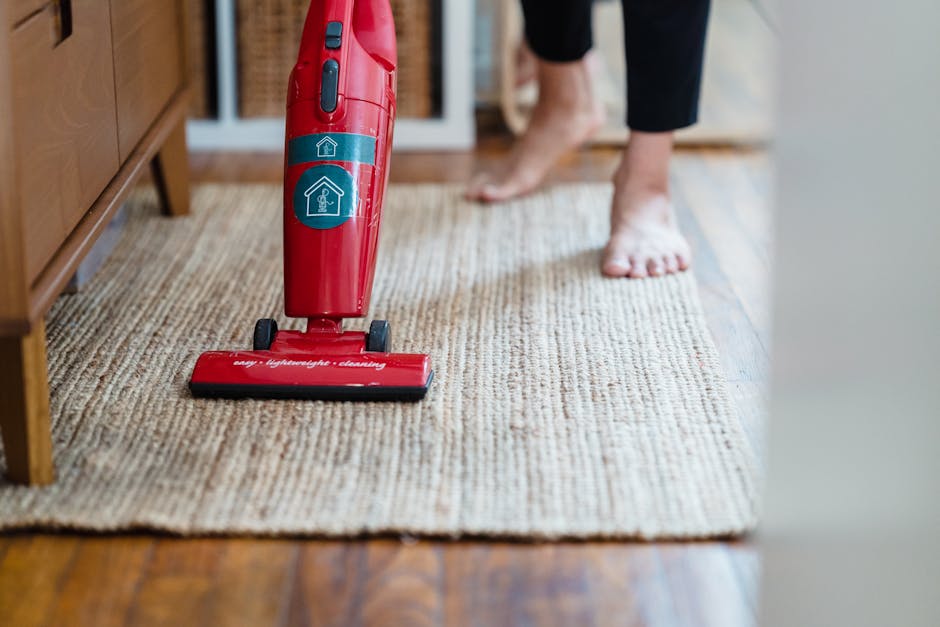
Avoid common mistakes when booking carpet cleaning in Islington
Booking a carpet clean should feel straightforward. But if you have ever stared at three very different quotes, wondered why one company asks a dozen questions and another asks none, or worried about muddy hallways and old pet smells making things worse, you are not alone. The truth is, a good result often depends less on the machine and more on the choices you make before anyone arrives.
This guide explains how to avoid common mistakes when booking carpet cleaning in Islington, so you can compare providers properly, set realistic expectations, and get cleaner carpets without unnecessary stress. Whether you are dealing with a one-off refresh, end-of-tenancy timing, or a stubborn stain that has been annoying you for months, a little preparation goes a long way.
Expert summary: The safest bookings are usually the ones where the company asks the right questions, gives a clear scope, explains the cleaning method, and sets expectations honestly. Cheap is not always bad, but vague is nearly always a warning sign.
Why avoiding booking mistakes matters
Carpet cleaning looks simple from the outside. You choose a date, someone arrives with equipment, and the room looks better afterwards. But there are several ways a booking can go wrong before the first hose is even unpacked. In Islington, where homes can range from compact flats to older terraces and busy shared properties, the details matter even more.
A rushed booking can lead to the wrong cleaning method, surprise charges, awkward access issues, or results that simply do not last. If you are moving out, that can become a real headache. If you are staying put, it can mean damp carpets, longer drying times, or a finish that looks uneven under daylight near the window. Not ideal, really.
Common booking mistakes also create misunderstandings. One person expects stain removal that may not be realistic; another expects dry carpets in an hour when the actual drying time depends on fibre type, ventilation, and cleaning method. Clear booking advice helps prevent that mismatch. It saves time, money, and a fair bit of frustration.
If you are comparing a wider cleaning schedule, it can also help to think beyond carpets alone. For example, some households book carpet care alongside deep cleaning or one-off cleaning so the whole property feels properly reset rather than just partially freshened up.
How avoiding common booking mistakes works
The best way to book carpet cleaning is to treat it like a small project, not an impulse purchase. Start with the carpet itself: what fibre it is, how dirty it is, whether there are stains, and how much furniture needs to be moved. Then match those details to the service provider's process.
A reliable booking usually follows a few practical steps. First, the company asks about room size, access, carpet condition, and any special concerns. Next, they explain the cleaning approach, which may include hot water extraction, low-moisture methods, or targeted stain treatment. Finally, they provide a quote that reflects the actual job rather than a generic headline price.
This is where many people slip up. They accept a quote without checking what is included. Or they assume every carpet can be treated in the same way. To be fair, that assumption is understandable. But wool, synthetic fibres, delicate rugs, and heavily soiled hallway carpets often need different handling. If you are also comparing other fabric care needs, pages like rug cleaning and upholstery cleaning can help you think in terms of material-specific care rather than one-size-fits-all cleaning.
Good booking behaviour also includes checking practical logistics. Is there parking or loading access? Are there stairs? Will the cleaner need a water source? Can furniture be moved? These sound like small points, but they often decide whether the appointment runs smoothly or turns into a bit of a scramble at the door.
Key benefits and practical advantages
Booking carefully does more than protect your wallet. It sets up the whole clean to go better.
- Better stain treatment: The right provider can judge which marks are likely to lift and which need realistic expectations.
- More accurate pricing: You are less likely to be hit with awkward extras after the job has started.
- Improved drying times: Choosing the correct method for your carpet type can reduce needless moisture.
- Less risk of damage: Delicate fibres, glued backing, and older carpets need informed handling.
- Cleaner overall result: A properly scoped clean usually removes more soil from high-traffic areas.
- Smoother appointment day: Access, parking, and prep are sorted in advance, so nobody is standing around wondering what happens next.
There is also a quieter benefit: confidence. When you know what you booked, what is included, and what the limits are, you can relax a bit. And frankly, that is worth a lot when you are trying to get a flat ready for new tenants or just want your front room to stop looking tired.
Who this is for and when it makes sense
This advice is useful for pretty much anyone booking carpet care in Islington, but it is especially relevant if you are in one of these situations:
- Tenants and landlords: You may need a carpet refresh before inspection, inventory, or move-out.
- Busy households: Pets, children, and daily foot traffic can build up grime fast.
- First-time bookers: If you have never arranged professional carpet cleaning before, it is easy to miss the fine print.
- After builders or renovation work: Dust and fine debris can settle deep into fibres, especially after after builders cleaning work nearby.
- Office or workspace managers: Shared environments often need planned cleaning around business hours, with minimal disruption.
It also makes sense if you are not trying to book the cheapest possible option, but the right one. Those are not the same thing. Let's face it, a low quote can be tempting on a wet Tuesday afternoon. But if it does not match your carpet type or the level of soil, the saving can disappear quickly.
If your broader property cleaning needs are mounting, you might also look at domestic cleaning or house cleaning to keep the rest of the place aligned with the carpet work, especially in shared family homes or busy rentals.
Step-by-step guidance
- Assess the carpet first. Note the room size, obvious stains, traffic lanes, pet areas, and any odours. Take quick photos if needed. It helps more than you think.
- Check fibre and age if you can. Wool, synthetic blends, and older carpets may respond differently to moisture and cleaning chemicals.
- Ask what is included. Confirm whether pre-treatment, stain attention, edge work, furniture movement, and drying guidance are part of the booking.
- Clarify the method. Ask whether the cleaner plans to use hot water extraction, low-moisture cleaning, or another process, and why it suits your carpet.
- Request a written quote or clear price breakdown. You want room-by-room clarity, not a vague promise.
- Discuss access and timing. Mention stairs, lift access, entry codes, parking constraints, and whether someone needs to be home.
- Prepare the room in advance. Move small items, pick up toys, and check for fragile objects. Nobody enjoys balancing lamps and vacuum cords in the same corner.
- Ask about drying and aftercare. Know when you can walk on the carpet, when furniture can go back, and what to do if a stain reappears.
- Save the booking details. Keep the quote, appointment time, and any special instructions in one place.
A quick call or message before booking can save a surprising amount of friction later. If the company answers plainly and patiently, that is usually a good sign. If they dodge basic questions, well, that tells you something too.
Expert tips for better results
In our experience, the best carpet cleaning jobs are helped along by preparation and realistic expectations. Here are a few practical tips that make a genuine difference.
Be specific about the problem areas
Instead of saying "it needs a clean," explain where the dirt is. Hallway tracking, wine marks by the sofa, pet zones near radiators, and old spill patches all behave differently. Specifics help the cleaner choose the right pre-treatment.
Don't assume every stain can be removed
Some marks are older than they look, and some have already damaged the fibres. A professional may improve them significantly, but promising perfection would be careless. Honest communication beats hopeful guessing.
Check for hidden charges before the appointment
Ask whether stairs, large rooms, extra stain work, or additional drying support could affect the price. A transparent provider should explain this up front. If pricing feels murky, use the company's pricing and quotes information before confirming anything.
Match the method to the material
Delicate fibres or older carpets may not suit heavy water extraction, while some heavily soiled synthetic carpets respond well to it. The cleaner should be able to explain the rationale in plain English. If they can't, ask again. It's your floor.
Think about the surrounding clean
If your carpet sits under a dusty shelf, beside a mouldy skirting board, or in a room being renovated, the result may be limited by the environment. Sometimes it makes sense to pair carpet care with window cleaning for better light and airflow, or with office cleaning in workspaces that need more than a floor refresh.
Ask about safety and insurance calmly, not awkwardly
A good company should not bristle when asked about liability, staff safety, or site procedures. If you want to check how they approach this, the site's insurance and safety and health and safety policy pages are sensible places to look.
Common mistakes to avoid
Here is the section that usually saves people the most trouble. These are the missteps that come up again and again.
1. Choosing only on price
The lowest quote can look smart until you realise it excludes stain treatment or assumes a tiny room size. Compare scope, not just numbers.
2. Not describing the carpet properly
"Two bedrooms and a hallway" is not enough if one bedroom has a thick wool pile and the hallway is full of old muddy traffic marks. Details matter.
3. Forgetting access issues
In Islington, access can be tight. Stairs, parking restrictions, basement flats, and narrow entrances can all slow things down. If the cleaner is surprised, you may be the one paying for it in time.
4. Assuming all stains are removable
This is a classic. Some stains are set, and some have faded fibres rather than surface dirt. A trustworthy cleaner will explain the likely outcome without overselling it.
5. Skipping the drying-time question
Drying time can vary a lot. If you need the room back quickly, say so before booking. Otherwise, you may end up tiptoeing around wet carpet in socks for longer than planned.
6. Ignoring terms and conditions
Not exactly thrilling reading, I know. But cancellation rules, access charges, complaint routes, and payment terms are worth checking before you commit. The company's terms and conditions and payment and security pages can help you understand the practical side.
7. Not asking what happens if the result is not as expected
Find out who to contact and how concerns are handled. If a company has a clear complaints procedure, that is a decent sign they take accountability seriously.
8. Booking too late before a deadline
If you are moving out, hosting guests, or finishing a tenancy, last-minute booking limits your options. A rushed appointment is where avoidable mistakes get expensive. Every time.
| Mistake | Likely consequence | Better approach |
|---|---|---|
| Picking the cheapest quote | Unexpected extras or poor results | Compare scope, method, and inclusions |
| Leaving access details out | Delays and rescheduling | Share parking, stairs, and entry information early |
| Not asking about drying | Disruption after the clean | Confirm drying expectations before booking |
| Assuming all stains will vanish | Disappointment | Ask for realistic stain assessment |
Tools, resources and recommendations
You do not need specialist equipment to book well, just a few sensible tools and habits.
- Room measurements: Helps you compare quotes fairly.
- Photos of stains and traffic areas: Useful for remote quoting and clearer communication.
- Notes about carpet type: If you know whether the carpet is wool or synthetic, write it down.
- A simple prep list: Move small furniture, clear toys, and make hall access easier.
- Confirmation email or message: Keep the booking, date, and agreed scope together.
For people managing whole-property cleaning, it can also help to understand related services. For example, if carpets are part of a larger clean after a move, end of tenancy cleaning may be relevant. If the job is part of a business premises refresh, office cleaners or cleaning company pages can help you think about coordination, scheduling, and broader service coverage.
And if the property needs more than one specialist task, it is usually smarter to map everything out together than to book each job in isolation. Carpet cleaning, upholstery care, window cleaning, and floor care can affect one another in ways people only notice after the fact.
Law, compliance, standards and best practice
For carpet cleaning bookings, the most relevant point is not a specific legal technicality but a good standard of service, care, and transparency. In the UK, customers generally expect clear pricing, safe work practices, sensible handling of chemicals, and honest information about what a service can and cannot do. That is the baseline, really.
From a best-practice point of view, look for companies that are clear about insurance, staff safety, complaint handling, and payment security. Those details do not just sound reassuring. They protect you if something goes wrong and help show that the business is properly run.
If you are especially careful, you may also want to read pages such as about us, privacy policy, and recycling and sustainability to understand how the company presents itself, handles data, and thinks about waste or environmental impact. That is not overkill. It is just sensible due diligence.
In shared buildings or managed properties, you may also need to consider access arrangements and house rules. A good cleaner should be able to work around these without making a fuss. If they seem casual about building access, that can become a problem fast.
Options, methods, or comparison table
There is no single "best" carpet cleaning method for every home. The right choice depends on fibre, soil level, urgency, and moisture tolerance. Here is a simple comparison.
| Method | Best for | Pros | Watch-outs |
|---|---|---|---|
| Hot water extraction | Heavily soiled synthetic carpets and deep general cleaning | Strong soil removal, thorough finish | Longer drying time, not ideal for every delicate fibre |
| Low-moisture cleaning | Busy homes, quicker turnaround, lighter moisture tolerance | Faster drying, less disruption | May be less powerful on some deep-set dirt |
| Targeted stain treatment | Specific spills and spots | Focused approach, useful add-on | Not a full carpet clean on its own |
| Combined clean with upholstery or rugs | Rooms where fabrics are all showing wear at once | Consistent freshening across the space | Needs accurate scope and careful scheduling |
If you are comparing options, ask the cleaner which method they would choose for your situation and why. A good answer will sound considered, not scripted. You want reasoning, not buzzwords.
Case study or real-world example
Here is a simple example from a typical Islington booking. A tenant in a two-bedroom flat needed the carpets cleaned before moving out. The hallway had heavy foot traffic, one bedroom had a faint pet smell, and the living room had a coffee stain near the radiator. The first quote they received was cheap, but it did not mention stain pre-treatment or drying guidance.
Instead of booking straight away, they asked three questions: what cleaning method would be used, whether the stain could realistically improve, and whether the hallway and stairs would cost extra. That changed everything. One provider gave a much clearer breakdown and explained that the coffee mark might fade significantly but probably not vanish completely.
The result? The booking day ran smoothly because the flat was prepped properly, the cleaner arrived with the right expectations, and the final result looked even across the rooms. Not perfect in a glossy brochure kind of way. Just honest, clean, and good enough to feel like a proper reset. Which, for a moving week, is exactly what most people want.
Practical checklist
Use this checklist before you confirm your booking:
- Measure the rooms or at least know the approximate size.
- List visible stains, odours, and high-traffic areas.
- Check whether the carpet is wool, synthetic, or mixed fibre if possible.
- Ask what cleaning method is recommended and why.
- Confirm what is included in the price.
- Ask about stairs, parking, access, and furniture moving.
- Confirm drying time and aftercare instructions.
- Check the company's payment terms and security information.
- Read the terms and conditions before agreeing.
- Save the appointment details and any special instructions.
One small extra: if your carpets have not been cleaned for a long time, or the room is due for a broader refresh, ask whether a carpet cleaning appointment should be paired with other home tasks. Sometimes a slightly bigger plan saves time overall.
Get a free quote today and see how much you can save.
Conclusion
If you want to avoid disappointment, the best move is simple: ask clear questions, compare the actual service, and do not let a bargain price rush you into a poor fit. Most carpet cleaning problems begin before the cleaner arrives, not during the clean itself.
When you book thoughtfully, you give the team a fair shot at doing their best work. That means fewer surprises, less stress, and a cleaner result that feels worth the effort. And honestly, that bit of calm before the appointment is often the biggest win.
Choose carefully, stay practical, and trust the details. That is how good bookings happen.
Frequently Asked Questions
How do I know if a carpet cleaning quote in Islington is fair?
A fair quote should explain what is included, how many rooms or areas are covered, whether stain treatment costs extra, and what method will be used. If a quote is vague, ask for a breakdown before you book.
What information should I give before booking carpet cleaning?
Share room sizes, carpet type if known, visible stains, pet issues, access details, parking constraints, and any deadlines. The more accurate the information, the more accurate the booking and price are likely to be.
Is the cheapest carpet cleaner usually a bad choice?
Not always, but the cheapest option can be risky if the price leaves out important work. Compare scope, method, and aftercare rather than focusing on cost alone.
Should I move furniture before the appointment?
Move smaller items and fragile objects in advance. For larger furniture, ask the cleaner what they can move safely. It is better to clarify this than to assume.
How long do carpets usually take to dry after cleaning?
Drying time varies depending on carpet fibre, cleaning method, ventilation, and weather. Ask the provider for a realistic estimate before the job starts so you can plan around it.
Can all stains be removed completely?
No. Some stains are permanent, some have faded the fibre, and some will only improve rather than disappear. A trustworthy cleaner should tell you what is realistic.
What is the best carpet cleaning method for homes in Islington?
There is no single best method for every home. Hot water extraction may suit deep cleaning, while low-moisture methods can be better when faster drying matters. The right choice depends on your carpet and priorities.
Why does access matter so much when booking?
Access affects setup time, equipment transport, and the overall smoothness of the visit. Stairs, parking, entry codes, and basement flats can all change how the appointment runs.
Should I book carpet cleaning before or after other cleaning jobs?
Often it makes sense to do carpet cleaning after dusty work is finished, but before the final tidy-up. If you are doing a broader refresh, coordinate the schedule so you do not undo the fresh result.
What should I check in the company's policies?
Look at terms and conditions, payment and security, insurance and safety, complaints procedure, and privacy policy. These pages help you judge how organised and transparent the company is.
Can carpet cleaning be combined with other services?
Yes, and it sometimes makes sense to do so. Depending on the property, people often pair carpet care with upholstery work, rug cleaning, deep cleaning, or one-off cleaning for a more complete result.
What is the biggest mistake people make when booking carpet cleaning?
Probably not asking enough questions before confirming. The biggest issues usually come from unclear scope, unrealistic expectations, or missing access details. A five-minute conversation can prevent a lot of hassle later.