Islington flat carpet cleaning access problems and solution tips
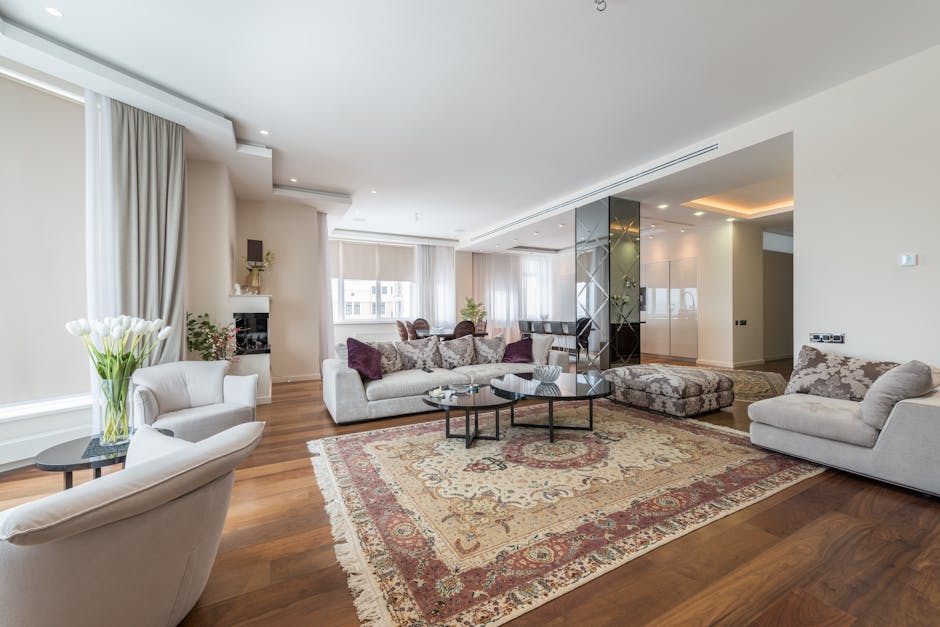
If you live in a flat in Islington, you already know the tiny inconveniences can turn into big ones very quickly. Narrow stairwells, awkward parking, shared hallways, lift restrictions, no obvious water source, a neighbour's bike blocking the landing - and suddenly carpet cleaning feels less like a simple refresh and more like a logistical puzzle. That is exactly why this guide on Islington flat carpet cleaning access problems and solution tips matters. It is not just about getting the carpets clean. It is about getting the work done smoothly, safely, and without wasting your time or the cleaner's time.
Truth be told, most cleaning problems in flats are not really about the carpet at all. They are about access. Can the equipment get in? Can the cleaner park? Will the hose reach? Are there enough power points? Can the job be done without disturbing the neighbours or leaving damp patches in a communal hall? These are the questions that make the difference between a straightforward appointment and a messy one.
In this article, you will get a practical, local-minded breakdown of the common access issues in Islington flats, how professional carpet cleaners usually work around them, and what you can do before, during, and after the visit to keep things calm. A small bit of planning goes a long way. And yes, it really can save you a headache.
Why Islington flat carpet cleaning access problems and solution tips Matters
Islington has a lot of flats, period conversions, mansion blocks, modern apartments, and compact homes where access is rarely as simple as opening the front door. That matters because carpet cleaning is a service that often depends on movement: moving equipment, moving water, moving furniture a little, and moving through shared spaces without disruption.
When access is poor, the risks are easy to spot. Jobs take longer. Costs can rise if extra time or labour is needed. Cleaning quality can suffer if equipment cannot be positioned properly. Worse still, you can end up with misunderstandings about parking, entry codes, lift bookings, or where the cleaner can park a van for ten minutes without upsetting the whole street. Let's face it, nobody wants that awkward "I'm outside, but I can't get in" phone call.
For tenants, landlords, letting agents, and homeowners, the issue is not only convenience. It is also about property care. Carpets in flats often see concentrated wear in hallways, living rooms, and stairs, especially where shoes, pets, and daily foot traffic build up fast. If access issues delay cleaning or make it awkward to book, the carpet may hold onto dirt, grit, and smells for longer than it should.
There is also the neighbour factor. In a busy Islington block, a cleaner arriving with equipment at the wrong time can create friction, even if the job itself is harmless. A little preparation protects everybody's morning.
Practical takeaway: in flat-based carpet cleaning, the job is only half the service. The other half is access planning. That is the part people forget, and the part that often causes the most trouble.
How Islington flat carpet cleaning access problems and solution tips Works
At its simplest, carpet cleaning in a flat follows a path: arrival, access, setup, cleaning, drying guidance, and departure. The access stage is where most delays happen. A cleaner may need to carry equipment through a narrow entrance, up stairs, or into a lift. They may need to connect to power inside the flat, use small-portable machines, or work around limited parking and timed bays outside.
In many Islington homes, especially older buildings, the layout is not built for large machines. Staircases can be steep. Hallways can be tight. Communal doors may close slowly or need a code. If the cleaner has not been told in advance, even a well-planned visit can become clumsy. To be fair, it is not usually anyone's fault. It is just the reality of London flats.
The smartest way to handle it is to think in three layers:
- External access: where the cleaner parks, how they reach the building, and whether there are loading restrictions.
- Building access: entry codes, intercoms, concierge support, lift use, and stair movement.
- Flat access: clear pathways, power points, water access if needed, furniture movement, and room-by-room entry.
Some cleaners use compact extraction machines that are easier to move in and out of flats. Others prefer smaller portable systems over larger van-mounted setups because they are simpler in busy boroughs with limited parking. The right choice depends on your building, carpet type, and how much manoeuvring the job requires.
If you are booking a broader household service at the same time, you may also find it useful to look at deep cleaning options or end of tenancy cleaning when access is being coordinated for a move-out or property handover. Timing matters there quite a lot.
Key Benefits and Practical Advantages
Good access planning sounds boring until you experience the difference it makes. Then it feels obvious.
Here are the main advantages of handling flat carpet cleaning access properly in Islington:
- Less disruption: smoother arrival, fewer neighbour issues, and less back-and-forth.
- Better cleaning results: the cleaner can set up properly instead of rushing.
- Faster completion: less time wasted on parked vans, missing keys, or blocked routes.
- Lower stress: everyone knows what to expect, which helps on the day.
- Reduced risk of damage: careful route planning helps protect walls, banisters, and communal flooring.
- Improved drying outcomes: when a job is done efficiently, carpets can be left in better condition for airflow and drying.
There is a small but real trust benefit too. A cleaner who asks the right questions before arriving usually works more professionally on the day. That does not mean they are perfect, of course. Nobody is. But it does mean they are thinking ahead, which is exactly what you want when a property is tight on space.
Who This Is For and When It Makes Sense
This topic is useful for anyone dealing with flat-based carpet cleaning in Islington, but some people feel the impact more than others.
You will probably benefit from this most if you are:
- a tenant trying to book carpet cleaning without annoying the landlord or neighbours;
- a landlord preparing a property between lets;
- a letting agent organising access for a same-day turnaround;
- a homeowner in a converted flat with awkward stairs or shared entrances;
- a resident in a block with parking controls, concierge rules, or limited loading space;
- someone booking carpet cleaning after renovation, pet accidents, or a spill that cannot wait.
It also makes sense if your flat has a few complicating factors, such as no lift, fragile hallway carpets, limited power sockets, or a front door that sticks in damp weather. You know the kind. The door that needs a shoulder nudge and makes a groan like it is offended by the whole idea of cleaning.
If the carpet is in a rented property, access planning becomes even more useful because there is often a narrow window between tenants, inventory checks, and key handovers. In those cases, a cleaner who can work around building rules and arrange a neat arrival is worth more than one who just says "we'll figure it out on the day."
Step-by-Step Guidance
Here is a simple way to handle carpet cleaning access in an Islington flat without overcomplicating it.
- Map the route in advance. Think from street to flat: parking, entry, lifts, stairs, corridors, and the room to be cleaned.
- Check building rules. Some blocks have timed access, concierge arrangements, or lift booking requirements. Find out early.
- Share the practical details. Give the cleaner the postcode, flat number, floor level, door codes, parking notes, and any restrictions.
- Clear pathways. Move shoes, prams, bikes, recycling bags, and anything else that might slow the route.
- Protect delicate areas. If hall carpets, paintwork, or bannisters are vulnerable, mention that before the visit.
- Confirm power and water access. Ask whether the cleaner needs a socket, a bathroom tap, or anything else inside the flat.
- Plan for furniture. Decide what should be moved, what stays put, and what is too heavy or fragile.
- Agree the drying advice. Open windows if practical, keep foot traffic light, and understand how long the carpet may stay damp.
- Do a final check before arrival. If something changed, tell the cleaner. A five-second message can save twenty minutes.
One small real-world tip: if you live in a building with a tricky front door or buzzer system, stand by the entrance a few minutes before the slot. It sounds obvious. People still forget. And then the cleaner is outside with a machine and a slightly puzzled look on their face.
Expert Tips for Better Results
If you want the job to go smoothly, these are the details that tend to matter most.
1. Give access instructions in plain English
Do not assume the cleaner knows the block layout. Say "third floor, no lift, left at the end of the corridor" rather than something vague. The clearer the route, the less chance of delays.
2. Mention parking early, not late
In parts of Islington, parking can be tight and expensive, and loading access can be a bit of a dance. If there is visitor parking, pay-and-display, or a loading bay nearby, let the cleaner know. If there is no easy parking at all, say that too. Better upfront than after the van has circled the block twice.
3. Ask about equipment size
Some carpet cleaning machines are easier to move through narrow stairwells than others. If your flat is particularly awkward, ask whether the cleaner uses portable gear. That one question can save a lot of carrying.
4. Keep communal areas in mind
If water is being carried, if hoses are needed, or if a machine has to move through a shared entrance, the cleaner should take care not to leave marks or damp patches. It is also fair to warn neighbours if there may be a little noise. Nothing dramatic. Just a heads-up.
5. Tackle obstacles before the cleaner arrives
Move laundry baskets, plant pots, pet beds, and stacked parcels out of the way. You will notice how much faster everything feels when the floor is not doing double duty as storage.
6. Ask for realistic drying advice
Drying time can vary depending on carpet fibre, ventilation, and how much cleaning solution is used. A good cleaner should explain what to expect instead of guessing. If the flat is cool and closed up on a rainy afternoon, drying may take longer than people assume. Small detail, big difference.
Expert summary: The cleaner's skill matters, but in flat jobs the quality of the access plan often decides whether the visit feels easy or frustrating. Good preparation is not extra admin. It is part of the service.
Common Mistakes to Avoid
Most access problems are preventable. The trouble is that people often only notice them once the cleaner is already downstairs.
- Not sharing the floor level or entrance details: even a small omission can slow everything down.
- Assuming there is parking nearby: in London, that assumption has a habit of backfiring.
- Forgetting about the lift: some buildings require bookings, fobs, or timed use.
- Leaving clutter in corridors: this can block the route and create a safety issue.
- Not checking pet arrangements: pets can get anxious with unfamiliar people, vacuum noise, and open doors.
- Using the wrong cleaner for the layout: a large setup may be fine for a house, but clumsy in a tight flat.
- Skipping the drying plan: damp carpets plus poor airflow can make the room feel uncomfortable for hours.
There is one more mistake worth calling out. Some people think access problems are only the cleaner's problem once the booking is made. Not really. Access is shared responsibility. The better the handover, the better the result. That sounds simple because it is.
Tools, Resources and Recommendations
You do not need a lot of special equipment to make flat carpet cleaning easier, but a few simple tools and habits help more than people expect.
- Door codes and key information: keep them ready before the appointment.
- Visitor parking notes: if your block or street has special parking arrangements, write them down.
- Phone access: make sure the cleaner can reach you if the intercom is unreliable.
- Furniture sliders or protective pads: useful if anything needs to be shifted carefully.
- Towels or old cloths: handy for protecting thresholds or wiping small drips.
- Window ventilation: simple, but very effective for drying after cleaning.
- Internal service pages: if you are comparing related cleaning tasks, you may also want to look at carpet cleaning, sofa cleaning, or rug cleaning where access and setup can overlap in the same visit.
For broader household cleaning support, options such as domestic cleaning or one-off cleaning may also be useful if you are trying to get a flat back into shape before guests, an inspection, or a move. Different jobs, same principle: the easier the access, the easier the outcome.
Law, Compliance, Standards, or Best Practice
For carpet cleaning in flats, the key compliance issues are usually practical rather than complicated. You are mainly dealing with building rules, access agreements, health and safety, and sensible care around shared spaces.
Good practice usually includes:
- respecting building entry procedures and concierge rules;
- keeping communal corridors and stairwells clear;
- avoiding trip hazards from hoses, cables, or equipment;
- handling water carefully to prevent slips or staining;
- using suitable cleaning products for the carpet fibre and backing;
- communicating clearly if there are access restrictions or delays.
If a company mentions safety, insurance, or access policies, that is a useful sign. You can review related information such as insurance and safety and the health and safety policy to understand how the business thinks about risk and responsibility. That is especially relevant in shared buildings, where one careless move can affect more than one household.
It is also sensible to look at practical service terms, like terms and conditions, pricing and quotes, and payment and security if you want a clearer sense of what is included and how a booking is handled. Not thrilling reading, granted, but useful.
Options, Methods, or Comparison Table
There is no single best method for every Islington flat. The right approach depends on space, access, and how sensitive the carpet is. Here is a simple comparison to make the choice easier.
| Approach | Best for | Access considerations | Practical note |
|---|---|---|---|
| Portable extraction cleaning | Flats with stairs, limited lifts, or tight entrances | Easier to carry and set up | Usually the most flexible option in compact buildings |
| Low-moisture carpet cleaning | Quick refreshes or carpets needing shorter drying times | Less water handling, often simpler in shared blocks | Good when you want minimal disruption |
| Standard hot-water extraction | Heavier soiling or deeper cleaning needs | May require more setup and drying space | Strong choice when the flat can support proper ventilation |
| Combined service visit | Homes needing multiple cleaning tasks in one booking | Needs tighter planning, especially for access and timing | Can be efficient if the route and schedule are organised well |
In a compact flat, the smartest option is often the one that reduces carrying, reduces drying time, and avoids unnecessary disruption. Simple as that. Sometimes the "best" system on paper is not the best for a fourth-floor walk-up with a narrow landing and no lift.
Case Study or Real-World Example
Here is a realistic example based on the sort of situation cleaners run into often in Islington.
A resident in a converted flat on the third floor wanted the lounge carpet cleaned before family visited at the weekend. The flat had a tight staircase, no lift, and a shared front door that locked automatically. Parking outside was limited to a short loading bay, and the building had quiet hours in the morning.
The first time around, the booking was rushed. The cleaner arrived, but the resident had not shared the intercom details clearly, and the van needed to park a little further away than expected. Nothing disastrous, but the job took longer than it should have. The carpet was still cleaned well, but the whole visit felt slightly fraught. Not ideal.
The second visit was handled better. The resident sent the floor number, door code, parking note, and a quick message about the stair width. A small portable machine was used. The hallway was cleared before arrival. The cleaner came in, set up quickly, cleaned the carpet, and left the flat with time for proper drying before the family arrived. No drama. No awkwardness. Just a tidy, calm result.
That is the real lesson here: access planning does not make the carpet cleaner smarter, but it does let them do their job properly. And in a flat, that can be the whole game.
Practical Checklist
Use this checklist before your appointment. It is simple, but it catches the stuff people miss.
- Confirm the exact flat number and floor.
- Share building entry instructions and door codes.
- Check whether a lift is available or needs booking.
- Note any parking, loading, or permit restrictions.
- Tell the cleaner about narrow stairs or awkward turns.
- Clear hallways, landings, and the room to be cleaned.
- Move delicate items, cables, and small furniture out of the way.
- Ask what power source or water access the cleaner needs.
- Confirm which carpets, rugs, or rooms are included.
- Plan ventilation for drying after the visit.
- Keep your phone handy in case access needs a quick adjustment.
- Let neighbours know if there may be brief noise or foot traffic.
Quick rule of thumb: if something might slow access, mention it. If you think it might be too small to matter, mention it anyway. That usually saves time.
Conclusion
Islington flat carpet cleaning access problems and solution tips are really about making a practical job easier for everyone involved. In a flat, the route from the street to the carpet can be more complicated than the cleaning itself. But with clear communication, sensible planning, and a few building-specific checks, most of the friction disappears.
The best results usually come from small, ordinary things done well: shared details, cleared walkways, realistic timing, and the right equipment for the space. No magic. Just a bit of care. And honestly, that is often what makes a service feel professional rather than merely available.
If you are getting ready for a carpet cleaning visit, take ten minutes to think through the access route before the cleaner arrives. It can save you more time than you expect, and it helps the whole appointment feel calmer from start to finish.
Get a free quote today and see how much you can save.
Frequently Asked Questions
What are the most common access problems for carpet cleaning in Islington flats?
The most common issues are narrow staircases, no lift, limited parking, locked communal entrances, awkward intercom systems, and not enough space for equipment in hallways. These are especially common in older conversions and busy apartment blocks.
Can carpet cleaning still be done if my flat is on an upper floor with no lift?
Yes, usually it can. A portable machine and a sensible access plan make a big difference. The cleaner may need a little more time, but a well-planned upper-floor job is very normal in London flats.
Do I need to arrange parking for the cleaner?
It helps a lot if you can. Even if the cleaner is familiar with the area, parking can be difficult in Islington. Sharing loading bay details, permits, or nearby parking notes ahead of time avoids delays.
Should I move all my furniture before carpet cleaning?
Not always all of it. Light items are usually worth moving, but heavy or awkward furniture may be left in place unless the cleaner has agreed otherwise. It is best to confirm what will be moved before the appointment.
How long does carpet drying take in a flat?
Drying time depends on the carpet material, the cleaning method, airflow, room temperature, and how much moisture is used. In a flat with good ventilation, it may dry fairly quickly. With closed windows and little air movement, it can take longer.
What should I tell the cleaner before they arrive?
Give them the flat number, floor level, access codes, parking notes, lift information, and any tricky layout details. If there are pets, shared hallways, or fragile surfaces, mention those too. A little extra detail helps a lot.
Is portable carpet cleaning better for flats?
Often, yes. Portable equipment is usually easier to carry through stairwells, corridors, and narrow entrances. That said, the best method depends on the carpet condition and the building layout.
Can the cleaner use my electricity and water in the flat?
Usually yes, if needed and agreed in advance. Many carpet cleaning setups need an indoor power source, and some methods may need water access. It is best to confirm this before booking so there are no surprises on the day.
What if my building has strict access rules or concierge procedures?
Tell the cleaner as soon as possible. Some buildings require advance notice, timed entry, or fob access. If the cleaner knows this early, they can plan the visit properly instead of arriving to a locked door and a blank stare.
Are carpet cleaning jobs in flats more expensive because of access issues?
They can be, sometimes. Extra time, difficult stairs, parking challenges, or unusually complex access may affect the quote. Not every job is more expensive, but it is sensible to ask how access could change the price before confirming.
What if my carpet is in a rented flat and I need to clean it before moving out?
That is very common. The best approach is to plan access carefully with the landlord, letting agent, or building manager if needed. End-of-tenancy timing can be tight, so carpet cleaning should be booked with enough room for drying and final checks.
How do I stop access issues from delaying the appointment?
Share every relevant detail in advance, keep pathways clear, and be ready a little before the scheduled time. If anything changes, send a quick message. In practice, that simple habit prevents most avoidable delays.